Application Of Medical Titanium Alloy in Medical Field Application Of Medical Titanium Alloy in Medical Field
Aug 07, 2023
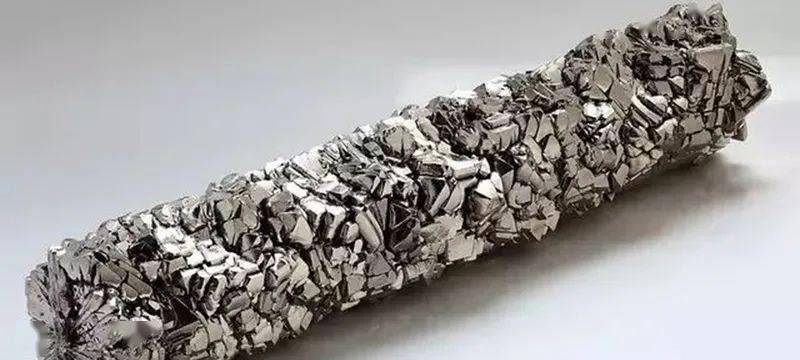
The appearance of titanium metal has a silver gray luster
As a new type of alloy and carrier material, medical titanium alloy is widely used in related fields such as limb implants, alternative functional materials, dentistry, and medical devices. Titanium and titanium alloys have the characteristics of good corrosion resistance, high specific strength, low elastic modulus, fatigue resistance, and good biocompatibility. Among them, good biocompatibility makes it have unique advantages compared with other metals, so it is widely favored in the medical field, but it is difficult to devote to its further improvement due to its low wear resistance and process performance. In progress.
With the rapid development of the national economy, the demand for medical titanium alloys in the medical field is increasing due to its excellent performance. As metal materials with excellent biological properties, titanium and its alloys have good application prospects in the medical field. However, compared with developed countries, there is still a certain gap in the research and development and application of titanium alloy materials in my country, such as: high elastic modulus, poor surface activity, poor wear resistance and corrosion resistance of titanium alloys. . Will directly affect the biocompatibility of the material. Therefore, in order to develop new titanium alloys with better comprehensive performance, my country should increase material research and development efforts, focus on innovation, and develop biomedical materials with low elastic modulus, high wear resistance, corrosion resistance, and excellent biocompatibility. Titanium alloy material.
Titanium has a good affinity with human connective tissue and bone epithelial tissue, and its excellent mechanical properties also reflect its advantages in medical alloys. And low density, light weight, good corrosion resistance, comfortable to wear, therefore, titanium is widely favored as dentures (implants). In addition, after the surface treatment of titanium dentures, the aesthetic performance is increased, which can meet the public's demand for beauty and give people visual enjoyment.
01. For the direction of medical equipment
Medical titanium alloy medical instruments are the third generation of surgical instruments after carbon steel and stainless steel. In order to improve the rust resistance of stainless steel instruments, surface treatments such as chrome plating and electrolytic polishing are often carried out. However, chromium is poisonous, and the shedding chromium layer will have a certain impact on the human body.
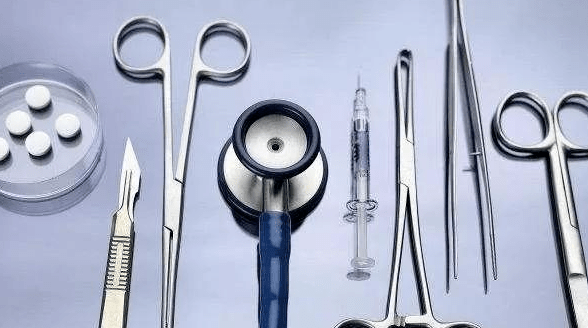
The advantages of medical titanium alloy as a medical device are:
1. The instrument is light in weight, which can reduce the damage to blood vessels, muscles and organs during the operation, and reduce the fatigue of doctors. Medical titanium instruments are more suitable for fine microsurgery;
2. Good corrosion resistance and non-toxic, the equipment does not rust, the wound is not easy to be infected, and the wound heals quickly;
3. Medical titanium alloy has moderate elasticity and is suitable for instruments such as forceps, tweezers, and microsurgical knives;
4. When operating under a shadowless lamp, the reflective performance of medical titanium is weak, which is more suitable than stainless steel;
Medical titanium medical instruments mainly include: scalpels, surgical forceps, surgical forceps, chest expanders, suture needles, sutures, etc. Medical titanium wire is used as surgical suture, and compared with other materials, it has the advantages of small tissue reaction and good torsion resistance (such as stainless steel wire). After suturing, the surgical wound is not easily inflamed, and the suture site is not easily displaced. Sutures generally use medical titanium wire (TA1 or TA2 wire), with a diameter of 0.5-0.8 mm. In addition, the gentle elasticity produced by the titanium-nickel alloy wire can promote the rapid healing of wounds.
In addition, medical titanium alloy is also an important material for auxiliary rehabilitation equipment, such as wheelchairs, crutches, splints, medical equipment, etc.
02. Widely used in artificial joint materials
According to relevant literature reports, about 100 million patients around the world suffer from knee joint and arm joint inflammation every year, and replacement surgery is imperative. Therefore, titanium alloys with excellent substitution functions bring good news for this. Compared with ceramics, stainless steel and other materials, the elastic modulus of titanium alloy is closer to that of human bones, and has more advantages in modulus. Therefore, titanium alloys are widely used in the correction of ankle joints and elbow joints. In addition, the porous titanium alloy material can make the prosthesis bioactive and help the healing of the femoral head; the titanium alloy surface has good biocompatibility and can induce bone cell growth, so it is strongly recommended by clinicians and orthopedic experts.
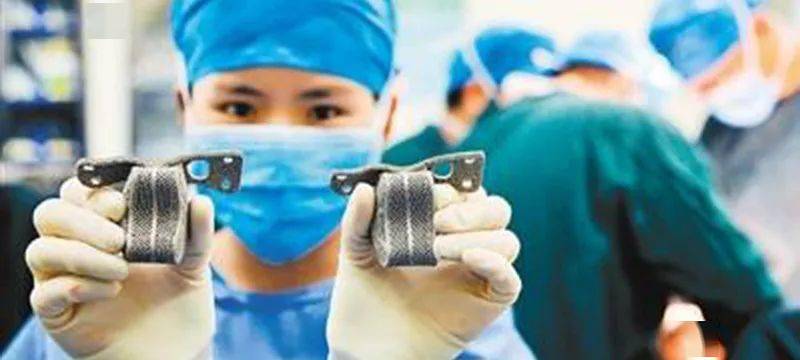
The main advantages of titanium and titanium alloys as implant restorations are: ① high strength, good chemical stability and biocompatibility; ② non-toxic and will not cause harm to the human body; ③ low elastic modulus, more compatible with human bones ; ④Memory alloy has elastic ability and shape recovery function. To sum up, the application of titanium in skull repair is mainly reflected in: the use of titanium mesh can repair defective skulls. The application in the human cardiovascular system is reflected in the preparation of artificial heart valves, blood filters, cardiac pacemakers and artificial heart pumps.
It should be noted that titanium is not suitable for all artificial joint components. Among the joint parts, the part that often swings is not suitable, because titanium is easy to wear (ceramic and cobalt alloy should be used), and titanium alloy should be used for the implanted part. In order to make it combine with the bones of the living body as soon as possible, it is necessary to make the surface of the titanium alloy uneven, and coat it with osteoinductors such as apatite (Apatite) and bioglass.
03. Titanium is of great help to the development of dentistry
Metals used in dental surgery began with amalgam and metal crowns in the 1920s. Gold, silver and palladium alloys were mainly used in the 1960s. After the 1970s, stainless steel became permanent, removable orthodontic appliances. The most commonly used material, titanium casting technology, was promoted and applied in the 1990s. Dental titanium precision casting machine has the characteristics of high dimensional accuracy, no bubbles, shrinkage cavities and so on. Among the metal materials used for human hard tissue repair, the elastic modulus of titanium is the closest to that of human tissue, which can reduce the pressure on metal implants and bones. Mechanical incompatibility between tissues. Titanium has the lowest thermal conductivity of all metallic materials used in dental restorations. Low thermal conductivity reduces thermal stimulation of the crown pulp, which is very important for dental restorations. Titanium inlays and full crowns can protect the pulp from hot and cold stimulation. From the material point of view, dental titanium is mostly pure titanium, but its strength is insufficient, difficult to grind, poor wear resistance, prone to casting defects, and unstable in quality. Titanium alloy has high strength, the most commonly used is Ti-6Al-4V alloy, but because metal V is harmful to human body, Nb is used instead of V, and Ti-6Al-7Nb alloy has been successfully developed, which has excellent corrosion resistance and is basically harmless to human body. It has the advantages of strong plasticity and excellent abrasiveness, and has been approved by ASTM standards. At present, superelastic titanium-nickel alloys are widely used in orthodontics.
Since the 1980s, developed countries have begun to study the application of titanium in oral restorations, first for dental implants, and later for denture brackets, crown bridges and orthodontic wires. Titanium is currently available as crowns and crown screws. , fixed bridges, porcelain bridges, bonded bridges, denture clasps, bases, connectors and reinforcements, almost all metal parts of dentures can be made of titanium. The study of titanium and titanium alloys has become a hotspot in the study of alloys for dental applications. Titanium alloy porcelain teeth can well restore the shape and function of the tooth body, and it has high strength, beautiful appearance, stable color, smooth surface, wear resistance and corrosion resistance. It is a permanent restoration and is suitable for all fixed teeth. In particular, it has good biocompatibility and is more suitable for people who are sensitive to nickel ions. It has been widely used in dental restoration.