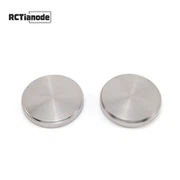
How to properly use and maintain ruthenium iridium titanium electrodes?
Jan 30, 2024
How to properly operate ruthenium iridium titanium electrodes
Operating ruthenium iridium titanium electrodes requires precision and care. These electrodes are utilized in a range of advanced applications, including electrolysis, electroplating, and analytical chemistry. Given their high conductivity and resistance to corrosion, they require meticulous handling and specific operating conditions to ensure optimal performance. Here's a detailed guide on how to properly operate them:
1. Preparation:
- Guarantee that the electrodes are perfect and liberated from any trash or pollutants before use. Utilize a gentle cleaning arrangement and wash completely with deionized water. Cleaning can be done with non-metallic abrasive pads or brushes made of stainless steel.
- Review the electrodes for any indications of harm or wear. Supplant terminals assuming they are exhausted or harmed.
- Securely position the electrode in the appropriate electrolyte solution. Ensure proper connections to the power source.
2. Set Parameters:
- Check the voltage and current settings on the power source. Adjust the settings according to the recommended operating range for the specific electrode being used.
- Ensure that the current density is within the recommended range for the electrode material.
3. Operation:
- Apply the appropriate current to the electrode. Avoid exceeding the maximum current density recommended for the specific electrode material. Gradually increase the current to the desired level.
- Monitor the electrode during operation to ensure it is functioning properly. Observe for any irregularities in the process.
- Ensure that the electrode is well-immersed in the electrolyte solution for consistent and efficient operation.
4. Post-Operation:
- Remove the electrode from the electrolyte solution with care after each use. Wash the electrode with deionized water to eliminate any buildups or stores that might have gathered during activity.
- Clean the electrode completely involving the suggested cleaning methods for the particular electrode material. This might include utilizing gentle cleansers and washing with deionized water.
- Assess the electrode for any indications of harm or wear. Store the electrode appropriately to forestall tainting and harm.
5. Safety Guidelines:
- Follow all safety guidelines and precautions when operating ruthenium iridium titanium electrodes. Wear proper defensive stuff, including gloves and eye insurance.
- Work in a very much ventilated region if important to try not to breathe in any exhaust or fumes from the electrolyte arrangement.
By following these means, you can guarantee the appropriate activity and support of ruthenium iridium titanium electrodes for compelling and safe use. Always refer to the manufacturer's instructions and guidelines for the specific electrodes being used.
How to properly maintain ruthenium iridium titanium electrodes
Proper maintenance of ruthenium iridium titanium electrodes is essential for their longevity and optimal performance. Here's a detailed guide on how to maintain these electrodes:
1. Regular Cleaning:
- Clean the electrodes consistently to eliminate any foreign substances, buildups, or stores that might gather during use. Make use of a mild cleaning agent, such as a non-ionic detergent or an electrode-specific cleaning agent.
- To get rid of any stubborn deposits, gently scrub the electrode surfaces with a soft brush or non-metallic abrasive pad. Avoid using harsh cleaning agents or abrasive materials that could damage the electrode surface.
2. Rinse Thoroughly:
- After cleaning, rinse the electrodes thoroughly with deionized water to remove any cleaning solution or loosened contaminants. Ensure all traces of the cleaning solution are completely removed.
3. Inspect for Damage:
- Review the electrodes for any indications of harm, wear, or erosion. Examine the electrode's surface for cracks, pitting, or any other irregularities. If any damage is detected, consider replacing the electrodes to maintain optimal performance.
4. Storage:
- Store the electrodes in a clean, dry environment to prevent contamination and damage. If possible, store them in their original packaging or in a specialized storage container designed for electrodes.
- Avoid exposure to extreme temperatures, moisture, or corrosive fumes, as these can degrade the electrode material.
5. Calibration and Testing:
- Periodically calibrate and test the electrodes to ensure their accuracy and reliability. Follow the manufacturer's recommendations for calibration procedures and frequency.
- Consider using specialized testing equipment to verify the performance of the electrodes, such as electrochemical testing apparatus or potentiostats.
6. Handling and Transportation:
- Handle the electrodes with care to prevent any physical damage or contamination. Avoid dropping or mishandling the electrodes, and use protective packaging when transporting them.
7. Manufacturer Guidelines:
- Always refer to the manufacturer's instructions and guidelines for specific recommendations on maintenance and care of ruthenium iridium titanium electrodes. Follow any specific instructions provided by the manufacturer to ensure proper maintenance.
By following these upkeep rehearses, you can guarantee that ruthenium iridium titanium electrodes stay in ideal condition, giving solid and precise execution to their planned applications. Ordinary upkeep will likewise assist with broadening the life expectancy of the electrodes and limit the requirement for substitution. Maintaining ruthenium iridium titanium electrodes offers several benefits, including:
1. Longevity: Proper maintenance helps to extend the lifespan of the electrodes, reducing the frequency of replacements and overall costs.
2. Optimal Performance: Regular maintenance ensures that the electrodes continue to provide reliable and accurate performance in their intended applications, contributing to consistent and high-quality results.
3. Cost-Effectiveness: By minimizing the need for replacements and repairs, proper maintenance of the electrodes can lead to cost savings over time.
4. Safety: Well-maintained electrodes minimize the risk of malfunctions or accidents, enhancing safety in the workplace.
5. Efficiency: Maintaining the electrodes in optimal condition ensures that they operate efficiently, contributing to the effectiveness of electrochemical processes and analyses.
6. Versatility: Properly maintained electrodes retain their versatility and can be used across a wide range of electrochemical applications, maximizing their utility.
7. Reduced Downtime: Regular maintenance can help prevent unexpected failures, reducing downtime and ensuring continuous operation.
In summary, maintaining ruthenium iridium titanium electrodes offers the benefits of longevity, optimal performance, cost-effectiveness, safety, efficiency, versatility, and reduced downtime. These advantages contribute to the overall effectiveness and reliability of the electrodes in various electrochemical applications.
With proper operation and maintenance, ruthenium iridium titanium electrodes can deliver reliable and accurate results in various electrochemical applications. Taking care of these electrodes will not only extend their lifespan but also optimize their performance, ensuring consistent and high-quality outcomes, also offering cost savings and enhanced safety in various electrochemical processes and applications.